





Marketing Mind
Newsletter
  • Home
  • Advertising
  • Marketing
  • Media
  • Business
  • What’s Buzzing
  • Millennial Achievers
  • More
    • All
    • Case Studies
    • Celebrating Women Leaders
    • Guest Posts
    • Podcast and Video
    Not Saying No Doesn’t Mean Saying Yes

    Not Saying No Doesn’t Mean Saying Yes

    Why Brands Are Scaling Faster But Growing Weaker

    Why Brands Are Scaling Faster But Growing Weaker

    6 Trends That Will Shape Marketing In 2026

    6 Trends That Will Shape Marketing In 2026

    How Data-Driven Insights, Automation, & Generative AI Are Empowering Marketing Leaders

    How Data-Driven Insights, Automation, & Generative AI Are Empowering Marketing Leaders

    unBoxed 2025: Simplifying Advertising Through Innovation

    unBoxed 2025: Simplifying Advertising Through Innovation

    From Impressions To Impact: Redefining ROI In The Digital First Era

    From Impressions To Impact: Redefining ROI In The Digital First Era

No Result
View All Result
  • Home
  • Advertising
  • Marketing
  • Media
  • Business
  • What’s Buzzing
  • Millennial Achievers
  • More
    • All
    • Case Studies
    • Celebrating Women Leaders
    • Guest Posts
    • Podcast and Video
    Not Saying No Doesn’t Mean Saying Yes

    Not Saying No Doesn’t Mean Saying Yes

    Why Brands Are Scaling Faster But Growing Weaker

    Why Brands Are Scaling Faster But Growing Weaker

    6 Trends That Will Shape Marketing In 2026

    6 Trends That Will Shape Marketing In 2026

    How Data-Driven Insights, Automation, & Generative AI Are Empowering Marketing Leaders

    How Data-Driven Insights, Automation, & Generative AI Are Empowering Marketing Leaders

    unBoxed 2025: Simplifying Advertising Through Innovation

    unBoxed 2025: Simplifying Advertising Through Innovation

    From Impressions To Impact: Redefining ROI In The Digital First Era

    From Impressions To Impact: Redefining ROI In The Digital First Era

No Result
View All Result
Marketing Mind
No Result
View All Result
Home Editorial Opinions

The Difference Between International, Multinational, Transnational & Global Companies

Surabhi Kedia by Surabhi Kedia
January 8, 2020
in Editorial Opinions
A A

The world is full of multiple personalities in each domain – be it human beings, be it corporates or SMBs, everyone has their own aura, function, and definitions. This is also the case with companies, which actually might look familiar or common to the human eye, but in reality, it has major differences.

To understand better, let us look at the four major types of corporations that dominated the global trade markets these days –

1) International Companies
difference International

  • The operations of such companies lie in one single home country as the base center.
  • These companies only export or import products from the home country.
  • The offices, hence, only exist in the home country and there is no foreign direct investment in other countries.
  • The functioning and strategies are derived mostly from the primary market which is the domestic home country market.
  • They have to continuously adjust to trading norms of the home country.
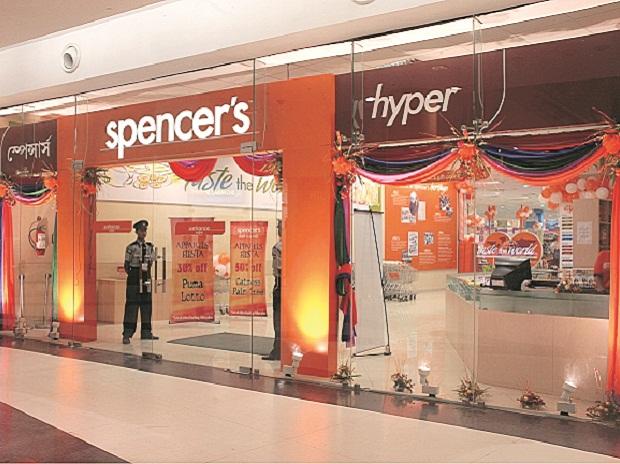
  • Spencers is an example in the Indian context.

2) Multinational Companies
  • As the name suggests, these companies have direct operations in more than a single country, however, it is usually not a very large number.
  • However, MNC’s have a centralized structure, with the head office in the home country calling all the shots.
  • In this case, products are decided and developed by the head office and subsidiary offices do have options to adapt to local markets if needed.
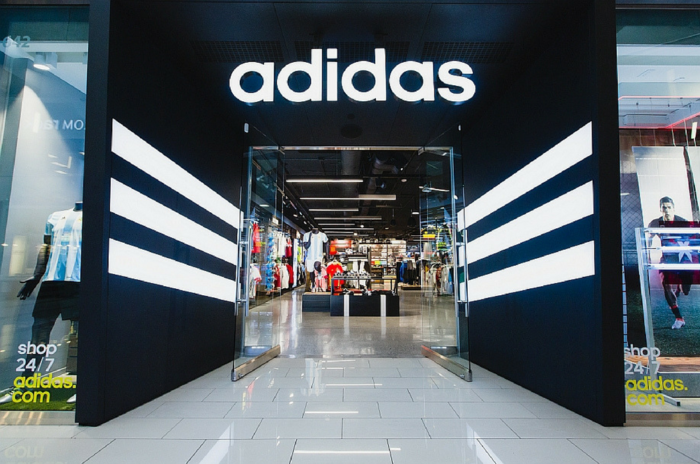
  • Adidas is an amazing example to explain multinational companies.

3) Transnational Companies
  • These companies are operating in multiple countries, having foreign direct investment in all of them.
  • Such companies follow a flexible approach, understanding and adapting to the local culture and demand of each country.
  • Hence, offices in each country work in a decentralized manner with decision-making powers.
  • Infact, subsidiary offices can launch and make products which might not be manufactured in the original home country, if there is a chance of demand.
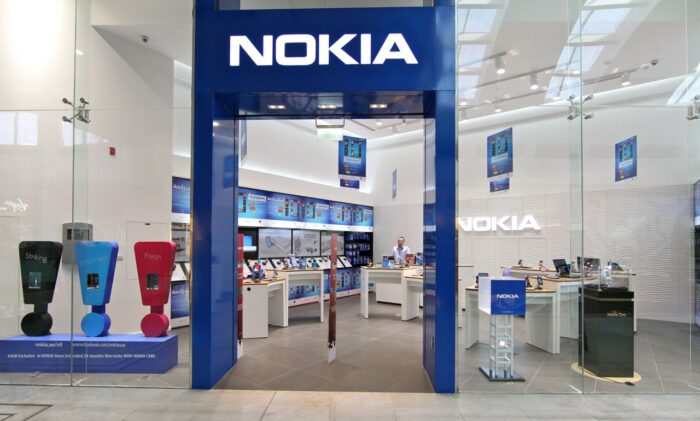
  • Nokia is one of the examples in the Indian context.

4) Global Companies
International

  • These companies work to have a foothold in a large number of countries, usually larger than a Multinational Corporation.
  • They, however, do not follow the system of having an official head office.
  • Various subsidiaries are set but standard products are sold, without any flexibility in terms of adapting to local consumers.
  • There is no change in branding or information about a global company, even if the country of operations changes.
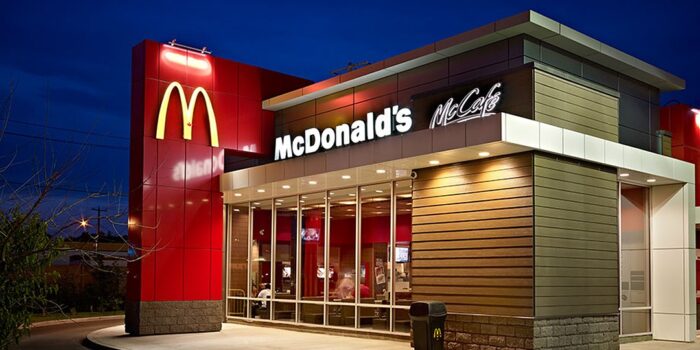
  • McDonald’s – a fast-food chain, is an exemplary example of this kind of companies.

Also Read: What Is The Difference Between Guarantee And Warranty

Related Posts

Instagram Reels: Revolutionizing Indian Weddings And Reshaping The Industry
Editorial Opinions

Instagram Reels: Revolutionizing Indian Weddings And Reshaping The Industry

by Priyanka Kesarwani
February 27, 2024

Technological improvements and shifting customer behavior have caused a huge transformation in the Indian wedding market in recent years. Instagram...

Celebrity Brand Ambassadors And Investors In D2C Brands
Editorial Opinions

Celebrity Brand Ambassadors And Investors In D2C Brands

by Priyanka Kesarwani
February 27, 2024

Forget the outdated star endorsement deals. The world of advertising is seeing an active shift. The D2C brands are forging...

Latest

From T20 Thrills To Paid Gym Streaks: 7 Campaigns That Stole The Spotlight This Week

From T20 Thrills To Paid Gym Streaks: 7 Campaigns That Stole The Spotlight This Week

January 30, 2026
PHD Elevates Neha Gour As AVP – Planning

PHD Elevates Neha Gour As AVP – Planning

January 30, 2026
Amazon Eyes $50 Billion OpenAI Investment To Strengthen Its AI Ambitions

Amazon Eyes $50 Billion OpenAI Investment To Strengthen Its AI Ambitions

January 30, 2026
HT Media Sees Marginal Revenue Growth At Rs 496.61 Cr In Q3 FY26

HT Media Sees Marginal Revenue Growth At Rs 496.61 Cr In Q3 FY26

January 30, 2026
Lollapalooza Positions Diageo To Evaluate Marketing Beyond Short-Term Benchmarks: Varun Koorichh

Lollapalooza Positions Diageo To Evaluate Marketing Beyond Short-Term Benchmarks: Varun Koorichh

January 30, 2026
From ‘Motu’ To ‘Nikhil’: How IDBI Bank Turned Friendship Into A Brand Philosophy

From ‘Motu’ To ‘Nikhil’: How IDBI Bank Turned Friendship Into A Brand Philosophy

January 30, 2026
Facebook X-twitter Instagram Youtube Linkedin
Discover the latest trends in Marketing, Advertising, Startups & Media.​
  • About Us
  • Millennial Achievers
  • Contact Us
  • Privacy Policy
  • Become a Guest Contributor
  • About Us
  • Millennial Achievers
  • Contact Us
  • Privacy Policy
  • Become a Guest Contributor

To Advertise & Collaborate With Marketing Mind, Contact Us Here.

Subscribe to our newsletter for exclusive content.

By continuing you agree to our Privacy Policy & Terms & Conditions


©2026 Copyright. RVCJ Digital Media Pvt Ltd

To Advertise & Collaborate With Marketing Mind, Contact Us Here.

Subscribe to our newsletter for exclusive content.

  • About Us
  • Contact Us
  • Become a Guest Contributor
  • Terms & Conditions
  • Privacy Policy
Facebook X-twitter Instagram Youtube Linkedin

©2024 Copyright. RVCJ Digital Media Pvt Ltd

Welcome Back!

Login to your account below

Forgotten Password? Sign Up

Create New Account!

Fill the forms bellow to register

All fields are required. Log In

Retrieve your password

Please enter your username or email address to reset your password.

Log In
No Result
View All Result
  • Home
  • Advertising
  • Marketing
  • Media
  • Business
  • What’s Buzzing
  • Millennial Achievers
  • More

© 2025 RVCJ Digital Media Pvt Ltd.

This website uses cookies. By continuing to use this website you are giving consent to cookies being used. Visit our Privacy and Cookie Policy.